
Understanding the Importance of Q1 Journals in Academic Research
In the competitive world of academic research, publishing in a Q1 Journal has become a significant benchmark for scholars, researchers, and institutions alike. Q1 Journals are recognized as the top 25% of journals within their respective fields based on metrics like impact factor, citation scores, and overall influence in the academic community. Publishing in such journals not only elevates a researcher’s credibility but also enhances the visibility and impact of their work on a global scale. Understanding the role and advantages of Q1 Journals is essential for anyone seeking to advance their academic career or contribute meaningfully to scientific knowledge.
What Defines a Q1 Journal?
A Q1 Journal is typically categorized based on its quartile ranking, a metric used to evaluate the performance of journals in comparison to others in the same field. Journals are ranked from Q1 to Q4, with Q1 representing the highest quality and Q4 the lowest. The evaluation considers factors such as the impact factor, the number of citations received, the reputation of the editorial board, and the rigor of the peer-review process. Researchers often aim for Q1 Journals because these publications are highly respected, widely cited, and generally more influential than lower-ranked journals.
The Significance of Publishing in Q1 Journals
Publishing in a Q1 Journal carries multiple benefits for researchers:
-
Enhanced Credibility: Being accepted in a Q1 Journal indicates that the research has undergone rigorous peer review and meets the highest standards of quality. This recognition is invaluable when applying for grants, academic positions, or collaborations.
-
Wider Visibility: Articles published in Q1 Journals are often accessed by a broader audience, including international scholars, policymakers, and industry professionals. This wider dissemination increases the likelihood that the research will be cited and utilized in further studies.
-
Professional Advancement: Universities and research institutions often consider publications in Q1 Journals as a measure of academic excellence. Researchers with multiple Q1 publications are more likely to receive promotions, tenure, or research funding.
-
Networking Opportunities: Q1 Journals attract submissions from leading experts, creating opportunities for researchers to connect, collaborate, and participate in global academic discussions.
Metrics Used to Identify Q1 Journals
Several key metrics determine whether a journal qualifies as Q1. These include:
-
Impact Factor (IF): The most widely recognized metric, the impact factor measures the average number of citations received by articles published in a journal over a specific period. Higher impact factors generally indicate more influential journals.
-
SCImago Journal Rank (SJR): This metric considers both the number of citations and the prestige of the journals from which the citations originate. A higher SJR ranking usually corresponds with higher journal quality.
-
H-index: The H-index evaluates both the productivity and citation impact of a journal. Journals with higher H-index scores are often considered more authoritative and influential in their field.
-
Peer Review Quality: Q1 Journals maintain strict peer review standards, ensuring that only high-quality research is published. This rigorous evaluation helps maintain the journal’s credibility and reputation.
How to Identify Suitable Q1 Journals
For researchers seeking to publish their work, identifying the right Q1 Journal is crucial. Here are some strategies:
-
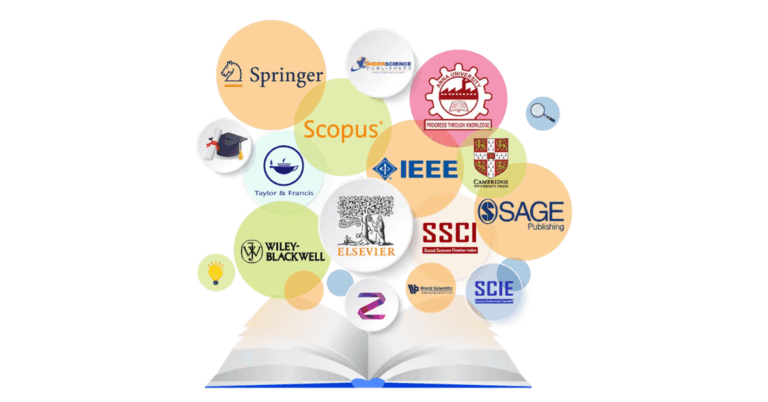
Check Journal Rankings: Databases such as Scopus, Web of Science, and SCImago provide detailed quartile rankings for journals across different disciplines. Researchers can filter journals based on their field and target Q1 publications.
-
Review Journal Scope: Ensure that the journal’s focus aligns with the research topic. Publishing in a journal that specializes in the subject area increases the chances of acceptance and relevance.
-
Examine Past Publications: Reviewing articles previously published in the journal can help researchers understand the level of quality, methodology, and style expected.
-
Consult Academic Advisors: Experienced researchers and academic mentors can provide insights into which Q1 Journals are most respected in a particular field.
Strategies for Successful Publication in Q1 Journals
Publishing in Q1 Journals is highly competitive, but careful planning and preparation can improve success rates. Here are effective strategies:
-
High-Quality Research Design: Ensure that the study is well-structured, methodologically sound, and contributes new knowledge to the field. Innovation and originality are highly valued in Q1 Journals.
-
Thorough Literature Review: Demonstrating familiarity with existing research establishes credibility and positions the study within the broader academic discourse.
-
Clear and Concise Writing: Q1 Journals value clarity, precision, and logical flow. Avoid jargon and ensure that arguments are supported by evidence.
-
Adherence to Journal Guidelines: Follow the journal’s formatting, citation, and submission requirements meticulously. Journals often reject papers that do not comply with basic submission standards.
-
Professional Editing: Consider using academic editing services to refine grammar, structure, and style, ensuring that the manuscript meets the high standards of Q1 Journals.
Common Challenges in Publishing in Q1 Journals
While the benefits of publishing in Q1 Journals are clear, researchers often face several challenges:
-
High Rejection Rates: Due to the competitive nature, many submissions are rejected. Researchers must be prepared for multiple revisions or resubmissions.
-
Time-Consuming Peer Review: The peer-review process in Q1 Journals can be lengthy, sometimes taking several months. Patience and persistence are essential.
-
Stringent Criteria for Originality: Q1 Journals prioritize novel contributions. Research that replicates previous studies without new insights may not be accepted.
-
Balancing Quantity and Quality: Researchers may feel pressure to publish frequently, but focusing on producing high-quality work is more likely to result in acceptance in top-tier journals.
The Impact of Q1 Journals on Academic Careers
The influence of Q1 Journals extends beyond individual publications. Institutions, funding agencies, and research networks often use Q1 publications as indicators of scholarly excellence. Researchers with multiple Q1 publications are more likely to:
-
Secure research grants and funding from competitive agencies.
-
Achieve higher academic ranks and tenure positions.
-
Build a strong reputation in their field.
-
Establish collaborations with leading researchers globally.
Furthermore, institutions benefit from the prestige associated with Q1 publications, enhancing their global rankings and attracting top-tier students and faculty.
Emerging Trends in Q1 Journals
The landscape of Q1 Journals is continuously evolving. Some emerging trends include:
-
Open Access Publishing: Many Q1 Journals are moving toward open access models, increasing the accessibility of research to a wider audience.
-
Interdisciplinary Focus: Journals increasingly encourage submissions that bridge multiple disciplines, reflecting the growing complexity of modern research problems.
-
Data Transparency: High-ranking journals emphasize the importance of reproducibility and data availability, promoting more transparent and credible research.
-
Digital Tools and Analytics: Advanced metrics and digital tools are being used to track article impact, citation trends, and researcher influence, providing more nuanced assessments of journal quality.
Conclusion
In summary, a Q1 Journal represents the pinnacle of academic publishing, symbolizing quality, rigor, and influence. Publishing in such journals requires careful planning, robust research methodology, and adherence to the highest standards of academic writing. While the process can be challenging, the rewards are substantial, offering enhanced credibility, greater visibility, and significant professional advancement. Researchers aiming to make meaningful contributions to their field should prioritize Q1 Journals in their publication strategy, ensuring that their work reaches a global audience and leaves a lasting impact on the academic community.